
Goat Milk Kefir: Discover the Benefits of This Superfood
Have you heard of kefir? This naturally fermented probiotic drink offers many benefits for your body, particularly for your immune system and gut microbiota.
Learn more about kefir, see how it can improve your health, and discover why its benefits are even greater when it’s made with goat milk.
What Is Kefir?
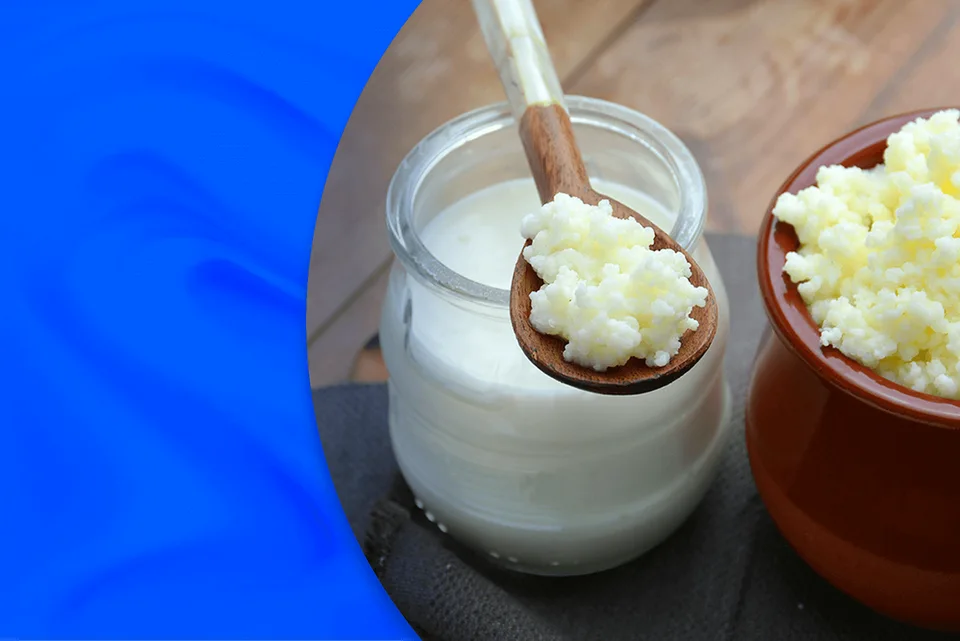
Kefir is a fermented drink made from two ingredients: milk and kefir grains, which are natural colonies of beneficial yeasts and bacteria. Despite their name, they contain no cereal grains or gluten and look like little gelatinous clusters resembling cauliflower.

To make kefir, the grains are mixed with raw milk and left to ferment for 24 hours. Once fermentation is complete, the liquid is strained, leaving a potent probiotic drink with various health benefits. The grains can be reused to make more batches of kefir.
Fun Fact
The word kefir comes from the Turkish word “keyif,” which refers to the feeling of well-being after eating. No one knows exactly where the tradition of fermenting milk from different animals with kefir grains began, but the most widely accepted theory traces it to the northern Caucasus Mountains (Armenia, Georgia, Azerbaijan), in southern Russia.
In that region, people drink kefir from childhood through old age, and researchers have linked it to the longevity of the local population, which has an unusually high number of centenarians.
Kefir tastes a little like yogurt. Both are fermented milk products, but they differ in some important ways, especially in the bacterial strains in their cultures and how those strains behave in our bodies. Kefir colonizes the gut, while yogurt acts only as it passes through.
Health Benefits of Kefir
Kefir’s main benefit is its probiotic bacteria, the “good bacteria” that fight the growth of disease-causing bacteria. In fact, kefir’s mix of beneficial microbes makes it one of the most potent probiotic foods on the planet, with a range of health benefits:
- Kefir helps regulate bowel function by colonizing the gut and reducing the presence of harmful bacteria. Dysbiosis, the presence of pathogenic microorganisms in the gut flora, is associated with several chronic conditions, including allergies and immune system problems.
- Kefir improves immune function not only because of the number of probiotics it contains but also because of their diversity. It contains 10 to 34 types of probiotics, compared with 2 to 7 in yogurt. One of these beneficial bacterial strains is found exclusively in kefir: Lactobacillus kefiri, which helps protect the body against harmful bacteria such as Salmonella and E. coli.
- It also contains kefiran, another compound unique to kefir that helps inhibit the growth of Candida albicans, a fungus that occurs naturally in the body and is a common cause of candidiasis..
- Kefir strengthens bones because it provides calcium from milk and is rich in vitamin K2, which improves how the body absorbs and distributes calcium.
- Many people with lactose intolerance can drink kefir without discomfort. That’s because the bacterial strains in kefir help break down and remove much of the lactose in milk. After fermentation, approximately 50% of the lactose remains.
Why Goat Milk Kefir Is Even Healthier
Now that you know how healthy kefir is, here’s more good news: this superfood may offer even greater benefits when made with goat milk. Here’s why:
Goat milk contains more oligosaccharides than cow’s milk, which are important prebiotics that feed and encourage the growth of probiotics, the beneficial bacteria in your gut.
A three-year study by RMIT University, the Royal Melbourne Institute of Technology in Australia, published in the British Journal of Nutrition, found that goat milk contains six times as many oligosaccharides as cow’s milk.
This higher concentration of oligosaccharides in goat milk not only improves gut flora but is also crucial for healthy digestion, stronger immunity, the prevention of obesity and diabetes, and more.
Goat milk is easier to digest because its smaller fat molecules form smaller, softer curds in the stomach. Its fat also contains twice as much caproic, caprylic, and capric acid as cow’s milk fat, allowing the body to absorb its nutrients more quickly and make better use of them.
Goat milk contains less lactose than cow’s milk, about 12% less per cup. Although fermenting milk to make kefir already lowers its lactose content, people with mild lactose intolerance may find goat milk more comfortable to digest.
Goat milk kefir contains milk proteins and can cause reactions in people with cow’s milk protein allergy (CMPA). Consult your allergist before consuming it.
Goat milk is more nutritious, with more calcium, potassium, magnesium, vitamin A, and vitamin C than whole cow’s milk.
Goat milk makes kefir lighter and creamierbecause its fat and protein molecules are structured differently and don’t thicken kefir as much as those in cow’s milk.
How to Make Kefir
Kefir is made with a colony of microorganisms, including beneficial bacteria and yeasts, so you can’t make it from scratch at home. Instead, you grow an existing culture.
If you’ve never made kefir and don’t have your own culture, you’ll need to get some kefir grains. You can get them from someone who shares their grains. Several social media groups and websites offer this service, including Probióticos Brasil . It’s important to check where the grains come from, as contaminated grains are common.
If you can’t find a reliable donor, you can buy dehydrated grains from KefirBr.com .
How do you grow kefir at home?
You’ll need a few supplies:

- 1 glass jar (large enough to hold the culture with 2 finger-widths of space at the top so it can breathe)
- 1 plastic or wooden spoon
- 1 clean cloth or paper towel
- 1 strainer
- 1 rubber band
- 1 tablespoon of milk kefir grains
- 500 mL of Caprilat Whole Goat Milk
Preparation:
1. Sterilize the jar and spoon with hot water.
2. Put the grains in the glass jar, add the milk, and cover the jar with the clean cloth. This step is important because a regular lid keeps air out, which can cause the milk to go sour. A clean cloth lets air in more easily. Use a rubber band to hold the cloth in place.
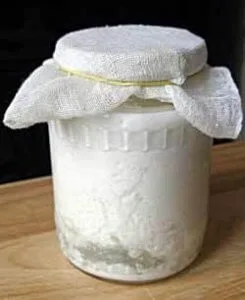
3. Leave the jar to ferment at room temperature in a dark, enclosed place for 24 hours. This is when the milk ferments.
4. After 24 hours, strain the fermented milk. Use a spoon to stir it in the strainer until you’ve extracted plenty of liquid.

5. Pour the fermented milk into a pitcher or bottle and put it in the refrigerator. It’s ready!
Kefir keeps for up to 30 days in the refrigerator if the bottle is tightly sealed. If left uncovered, its flavor may change in 5 to 7 days.
Remember the grains you strained out? Don’t throw them away! Repeat the process with the same grains to make another batch of kefir.
Now you’re ready to enjoy your kefir. Drink it plain, blend it with fruit, pour it over cereal or granola, or use it as a tasty salad dressing.
And remember: kefir is a healthy food that can be even better with Caprilat Goat Milk. So click here to find your nearest store. 😉 😉