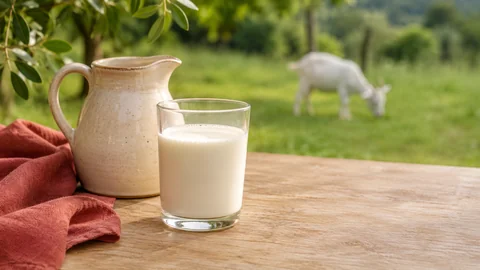

Goat Milk vs. Cow Milk: Which Is Healthier?
Like most people, you probably grew up hearing that drinking milk is good for your health and your bones. Milk has been part of the human diet since the dawn of civilization, providing protein, calcium, energy, and other essential nutrients.
Goat milk has certain properties that, compared with those of cow milk, mean fewer respiratory, digestive, and skin problems for many people.
Curious what those properties are and why you should start drinking it right away? Read on.
IT’S MORE NUTRITIOUS
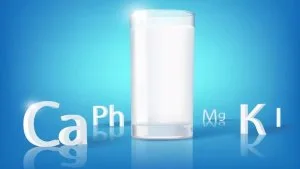
Goat milk is a good source of protein, contains less lactose, and is rich in calcium, potassium, magnesium, vitamin A, and vitamin C.
READ MORESEE ALSO

Goat milk is digested and absorbed faster than cow milk, and its fat contains more caproic, caprylic, and capric acids.
These acids are recommended for patients being treated for malabsorption syndrome or intestinal disorders.
Discover delicious recipes made with Caprilat goat milk on our YouTube channel. They’re nutritious, quick, and easy to make. Click here!
IT’S THE BEST CHOICE FOR SENSITIVE STOMACHS

Although cow milk and goat milk have similar amounts of fat, the fat globules in goat milk are smaller on average. This means it forms smaller, softer curds in the stomach, making it easier to digest and better tolerated by people with sensitive stomachs.
IT ALSO HELPS PREVENT SEVERAL DISEASES
Goat milk is high in vitamin A and can help maintain or restore vitamin A levels in the body.
Vitamin A plays an important role in helping prevent degenerative conditions that affect vision, reproduction, the skin, and other bodily functions.
PEOPLE WITH MILD LACTOSE INTOLERANCE MAY BE ABLE TO DRINK IT
Like all milk from animals, goat milk contains lactose. It does, however, contain about 12% less lactose per cup than cow milk. Many people with mild lactose intolerance may find it easier to tolerate.
IT CAUSES FEWER ALLERGIC REACTIONS

Goat milk contains casein proteins. The amount of alpha-S1 casein varies and may be lower in some goat milks. Goat milk proteins can still cross-react and trigger reactions in people with cow milk protein allergy (CMPA). Consult an allergist before trying it or switching to it.
This helps explain why some people who are sensitive to cow milk tolerate goat milk well. In these cases, however, it’s always important to seek guidance from a doctor and/or a nutritionist.
YOUR HEART WILL THANK YOU

Goat milk contains 20% less cholesterol than cow milk. It’s also rich in medium-chain fatty acids, which speed up metabolism and burn stored fat, helping keep cholesterol in check and raise good cholesterol levels. That makes it a great choice for heart health.
AND YOUR SKIN WILL GLOW

Goat milk is rich in lactic acid, an organic compound that helps remove dead skin cells, leaving skin feeling silkier. It also restores the skin’s natural elasticity and glow. Did you know Cleopatra bathed in goat milk to look more beautiful and youthful?
With all these advantages, there’s no denying that goat milk is the best choice for rounding out a healthy everyday diet.
To get the most out of its benefits, it’s always important to buy from a company that meets all industry standards, such as Caprilat, a leader and pioneer in goat milk processing and sales in Brazil.
Available as UHT whole and skim milk, and powdered milk, Caprilat products are sold at major retailers across several regions. To learn more, click here to find your nearest store.
While you’re here, check out some delicious recipes made with Caprilat goat milk. You’ll see just how versatile it is, as well as how nutritious!